Handmade textile products are made with care, and giving them the right care at home can help them stay useful and attractive for a long time.
Whether you have a handmade cushion, blanket, embroidered outfit, knitted sweater, baby clothing, or small textile accessory, a little extra attention can make a big difference.
Different fabrics and handmade techniques require different care, so it is always best to follow any specific care instructions provided with your product. However, there are some simple habits that can help protect most handmade textiles.
Read the Care Instructions First
Before washing or cleaning a handmade textile, check its care instructions.
Some items may be suitable for gentle machine washing, while others may need hand washing or dry cleaning. Knitted pieces may require extra care to prevent stretching, while embroidered products may need gentle handling around the stitched areas.
If you are unsure, choosing a gentler cleaning method is usually safer than using strong washing or drying settings.
Wash Gently
One of the easiest ways to protect handmade textiles is to avoid harsh washing.
Use a gentle washing cycle or hand wash when appropriate. Avoid rubbing embroidered areas aggressively, as this can affect the stitching over time.
For knitted items, gentle washing is especially important. Rough washing can cause the fibers to stretch or lose their shape.
Avoid Very Hot Water
Hot water can affect certain fabrics, colors, and knitted materials.
Unless the care instructions specifically recommend hot water, use cool or lukewarm water when washing handmade textile products.
This can help reduce the chance of shrinking, color changes, or damage to delicate details.
Be Careful With Embroidery
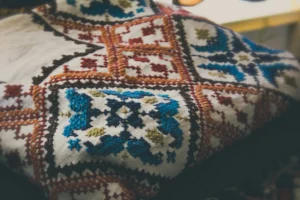
Embroidered clothing and home textiles need a little extra attention.
When washing an embroidered item, avoid scrubbing directly over the embroidery. Instead, allow the detergent and water to clean the fabric gently.
Turning clothing inside out before washing can also help protect embroidered areas from unnecessary friction.
Use Mild Detergent
A mild detergent is generally a better choice for delicate handmade textiles.
Strong detergents or bleach can affect fabric colors and may weaken certain materials over time.
Use an appropriate amount of detergent rather than adding more than necessary. Too much detergent can also be difficult to rinse completely from the fabric.
Drying Handmade Textiles
How you dry a textile is just as important as how you wash it.
Avoid using very high heat unless the product’s care instructions specifically allow it. Excessive heat can shrink some fabrics or affect knitted items.
For many delicate pieces, air drying is a better option.
Knitted items should be handled carefully while wet because they can stretch more easily.
Keep Knitted Items in Shape
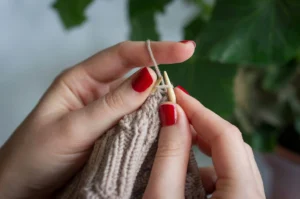
Knitted sweaters, baby clothes, caps, and other knitted pieces can lose their shape if they are handled roughly when wet.
After washing, gently reshape the item and allow it to dry naturally.
Avoid hanging heavy knitted items while they are wet, as the weight of the water can stretch them.
Protect Your Textiles From Direct Sunlight
Sunlight is useful for drying many things, but prolonged direct sunlight can cause some fabrics and colors to fade.
If possible, dry handmade textiles in a well-ventilated area away from strong direct sunlight.
This is especially useful for colorful fabrics and embroidered pieces.
Store Items Properly
Good storage can help handmade textiles stay in better condition between uses.
Make sure items are completely dry before storing them. Fold clothing and blankets neatly and avoid placing very heavy objects on top of delicate pieces.
For seasonal knitted clothing, clean and dry the items before storing them away.
Give Cushions and Home Textiles Regular Attention
Cushions, cushion covers, tea cozies, and other home textiles can collect dust through everyday use.
Regular gentle cleaning and occasional airing can help keep them fresh.
For embroidered cushions, avoid aggressive brushing or scrubbing over the stitched areas.
Handle Handmade Pieces With Care
The most important thing to remember is that handmade products deserve gentle handling.
They are often made with details that require time and skill, such as embroidery, knitting, decorative stitching, or patchwork.
Treating these details carefully can help preserve their appearance.
Final Thoughts
Caring for handmade textiles does not have to be difficult. Simple habits such as gentle washing, mild detergent, careful drying, and proper storage can help your favorite pieces last longer.
Every handmade item is different, so always consider the fabric and construction before cleaning it.
With a little care, your handmade clothing and home textiles can remain part of your everyday life for years to come.